The Mediterranean Context
The Foundation works within a specific geography. The Mediterranean is a semi-enclosed sea with limited exchange of water, densely populated coasts and a long history of human use — a combination that makes it unusually sensitive to pressure.
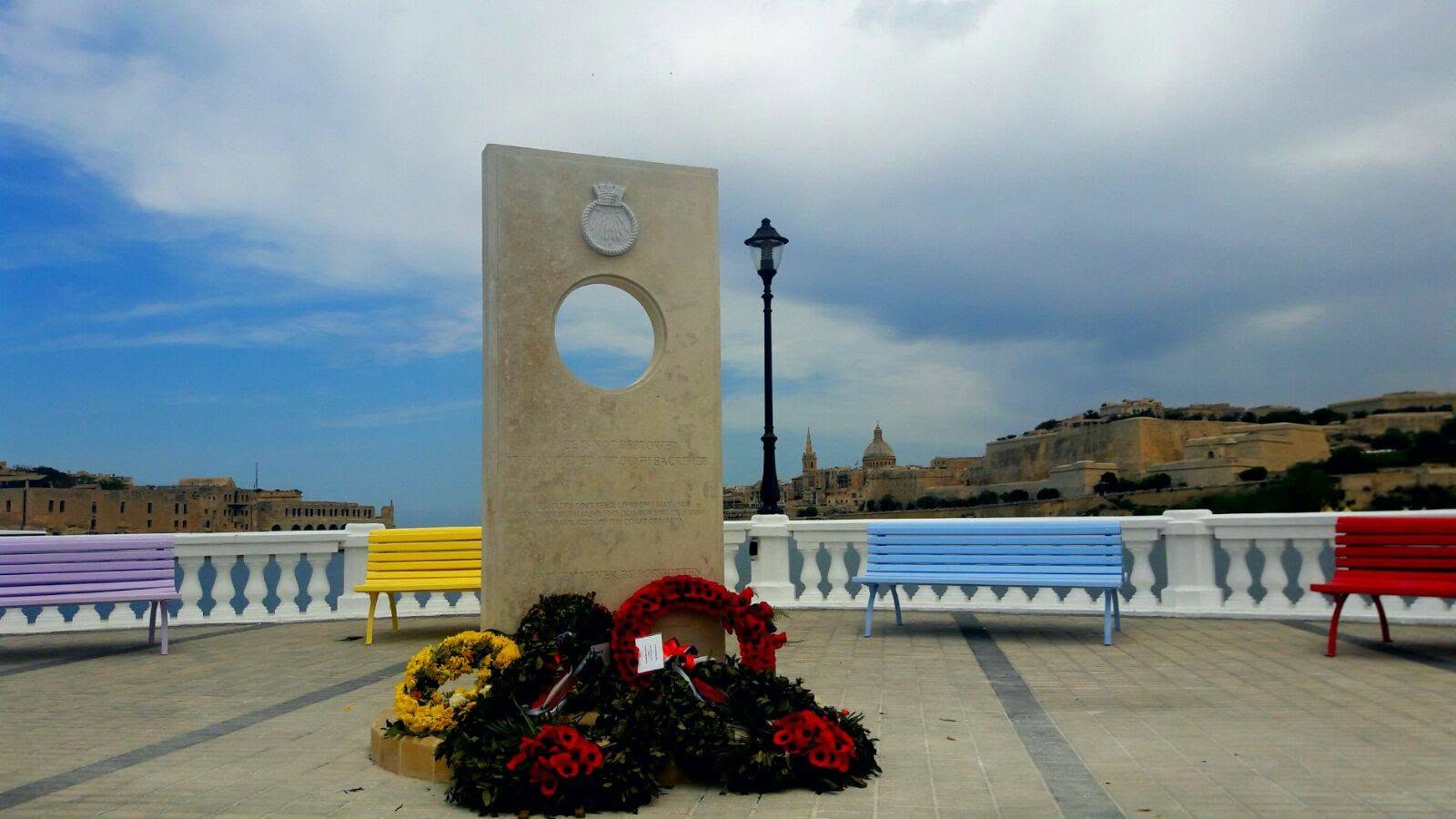
A semi-enclosed sea
The Mediterranean connects to the Atlantic through the narrow Strait of Gibraltar, which means that water renewal takes a long time compared with open oceans. Substances entering the sea — including nutrients, plastics and other pollutants — tend to remain within the basin rather than being dispersed quickly.
Biodiversity and habitats
The Mediterranean is recognised in scientific literature as a region of high marine biodiversity relative to its size, with many species found nowhere else. Seagrass meadows, coralligenous formations and rocky coastal habitats are among the structures that support this diversity and that are sensitive to physical disturbance.
Coastal communities
Mediterranean coasts are among the most densely settled in the world, and much of the regional economy — fishing, shipping, tourism, aquaculture — depends directly on the sea. Environmental questions here are therefore also economic and social questions, and lasting solutions require public understanding.
Pressures on the marine environment
Widely documented pressures in the region include marine litter and plastics, wastewater and nutrient inputs, physical damage to the seabed from anchoring and construction, intensive fishing, the arrival of non-indigenous species, and changes in sea temperature. These pressures interact, and their combined effect is generally greater than any one alone.
Education, research and long-term stewardship
Because change in the Mediterranean is gradual and often invisible from shore, education and sustained observation matter as much as intervention. Stewardship in this context means maintaining attention over decades: recording conditions, teaching each generation what the sea contains, and keeping public expectations grounded in evidence.
The general information in this section reflects established regional understanding. It does not describe research conducted by the Foundation.